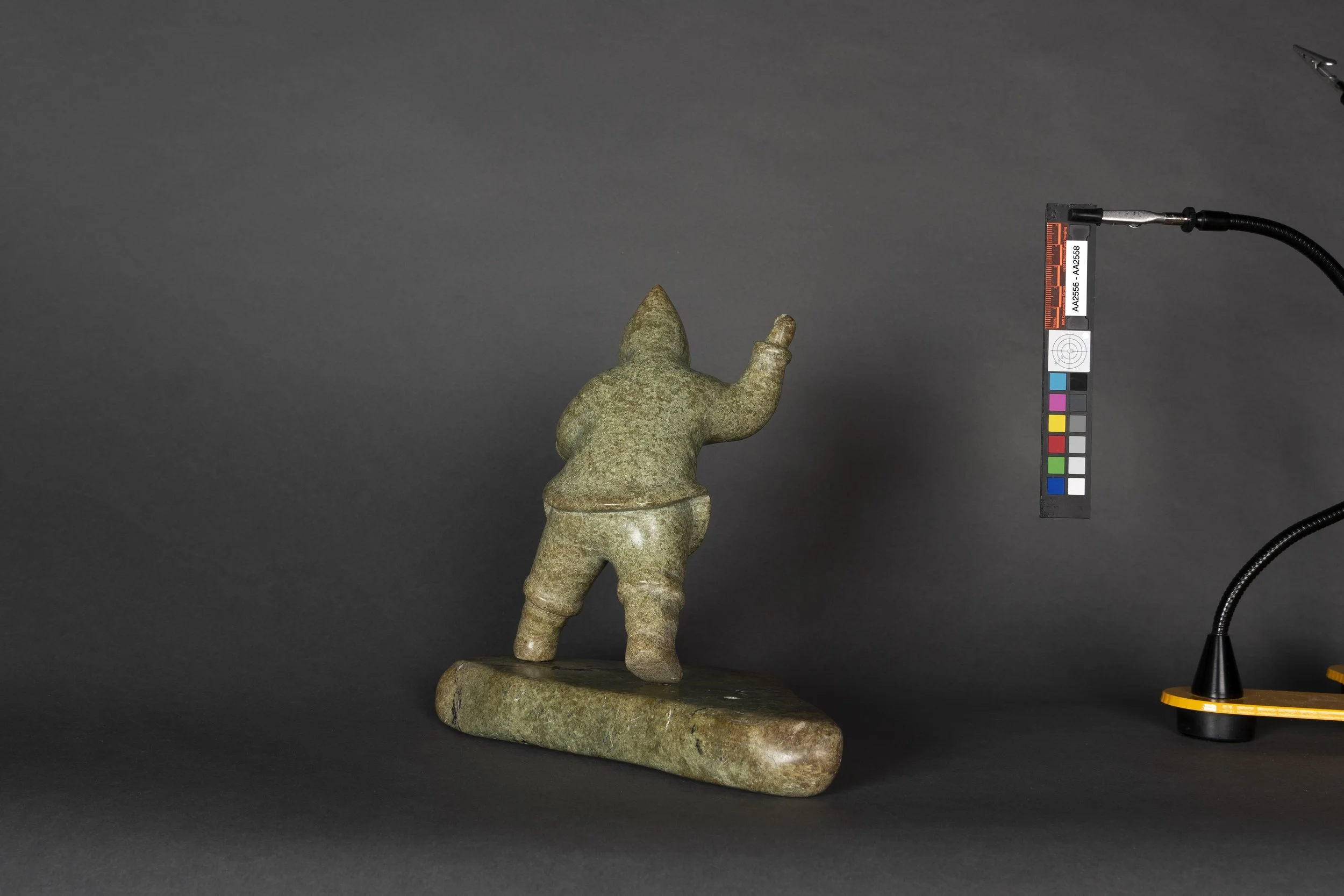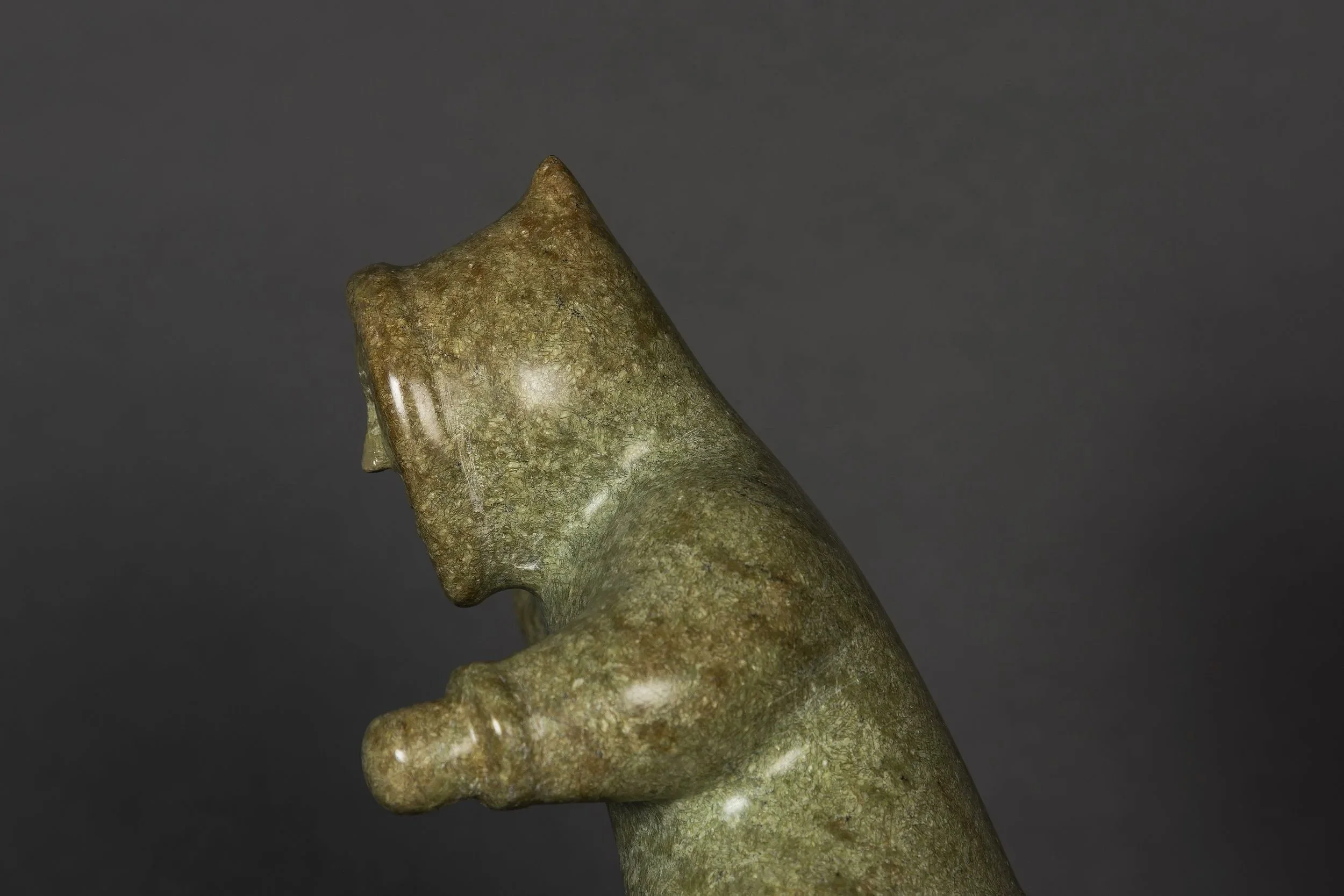
Inuit Hunting Figure
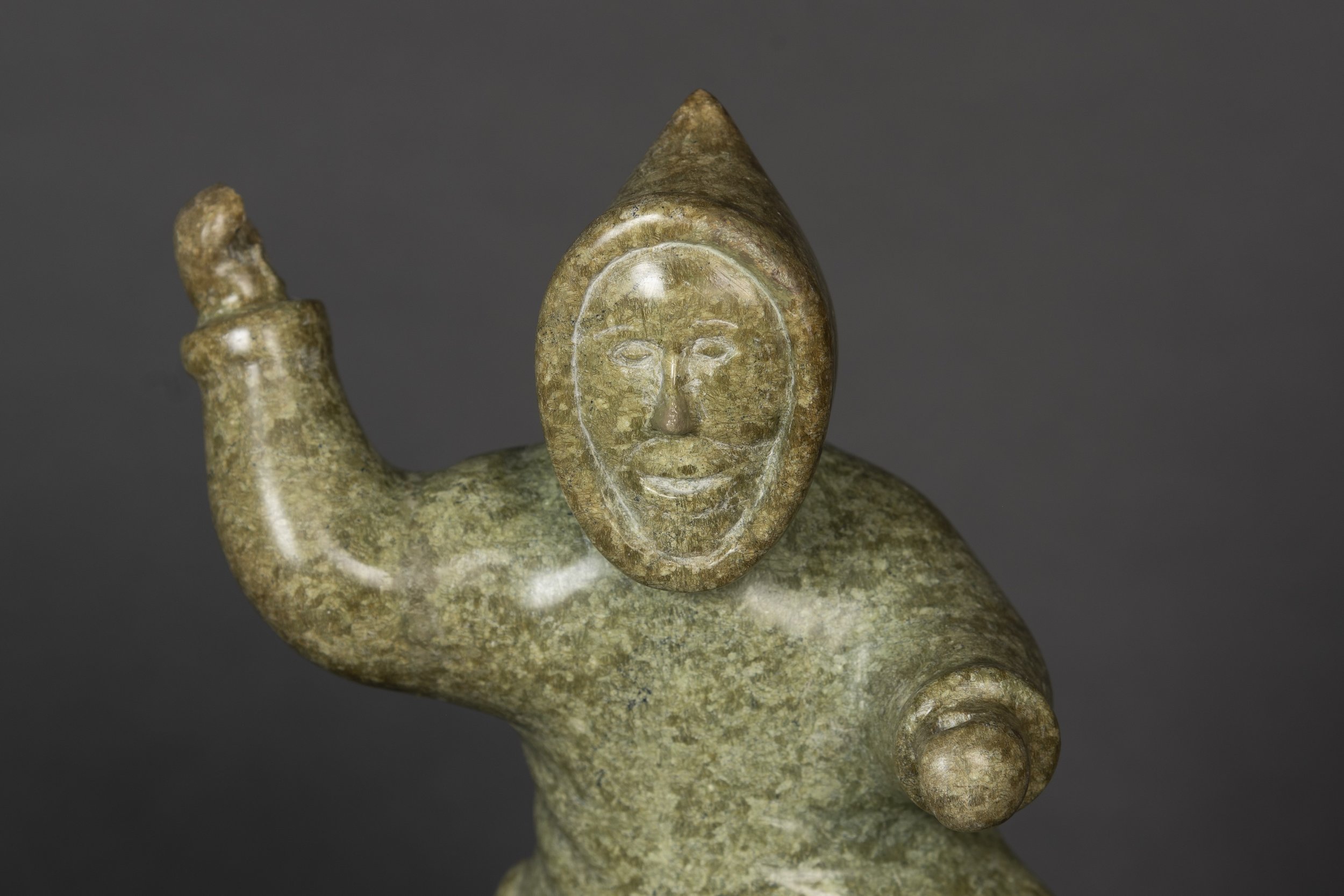
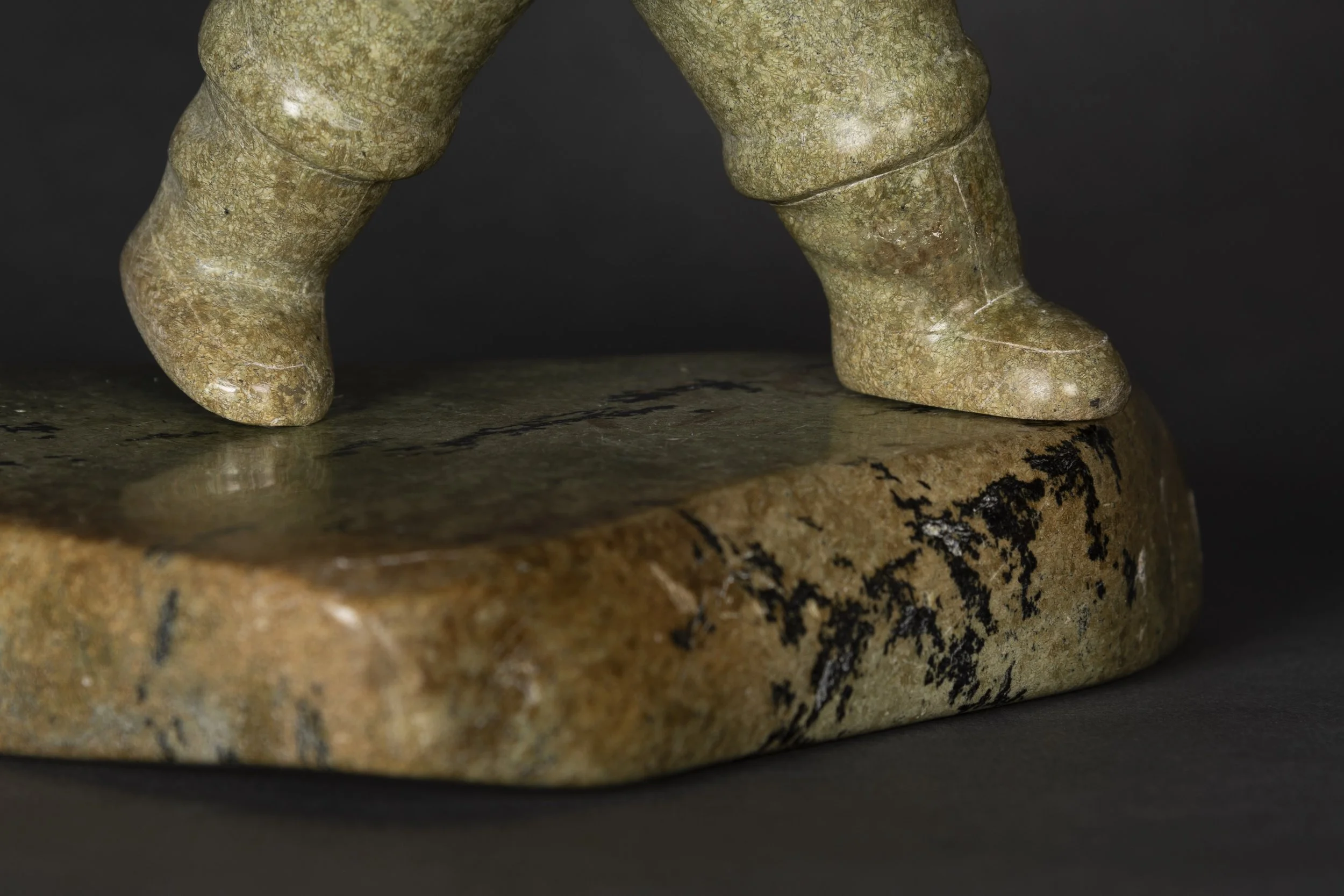
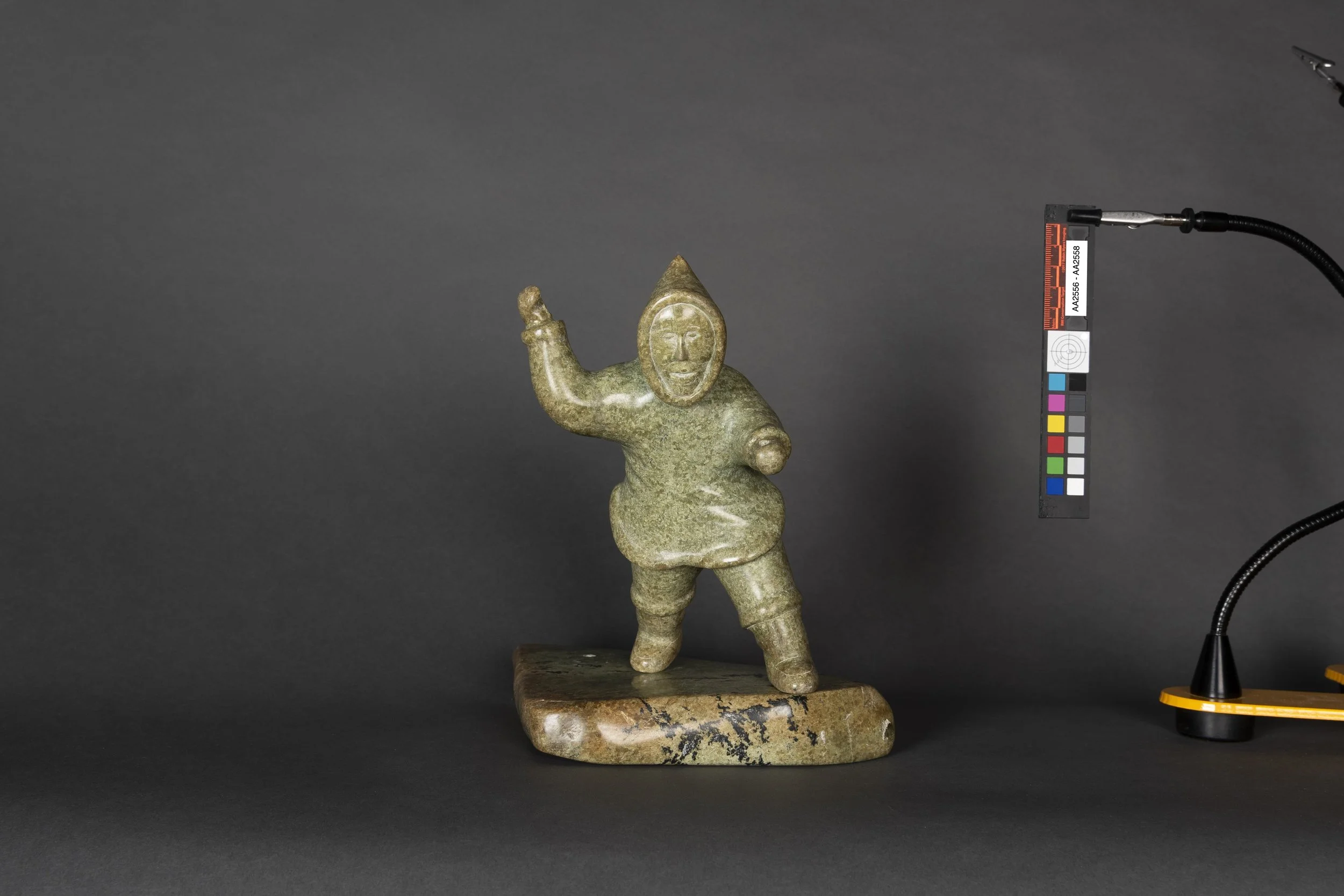
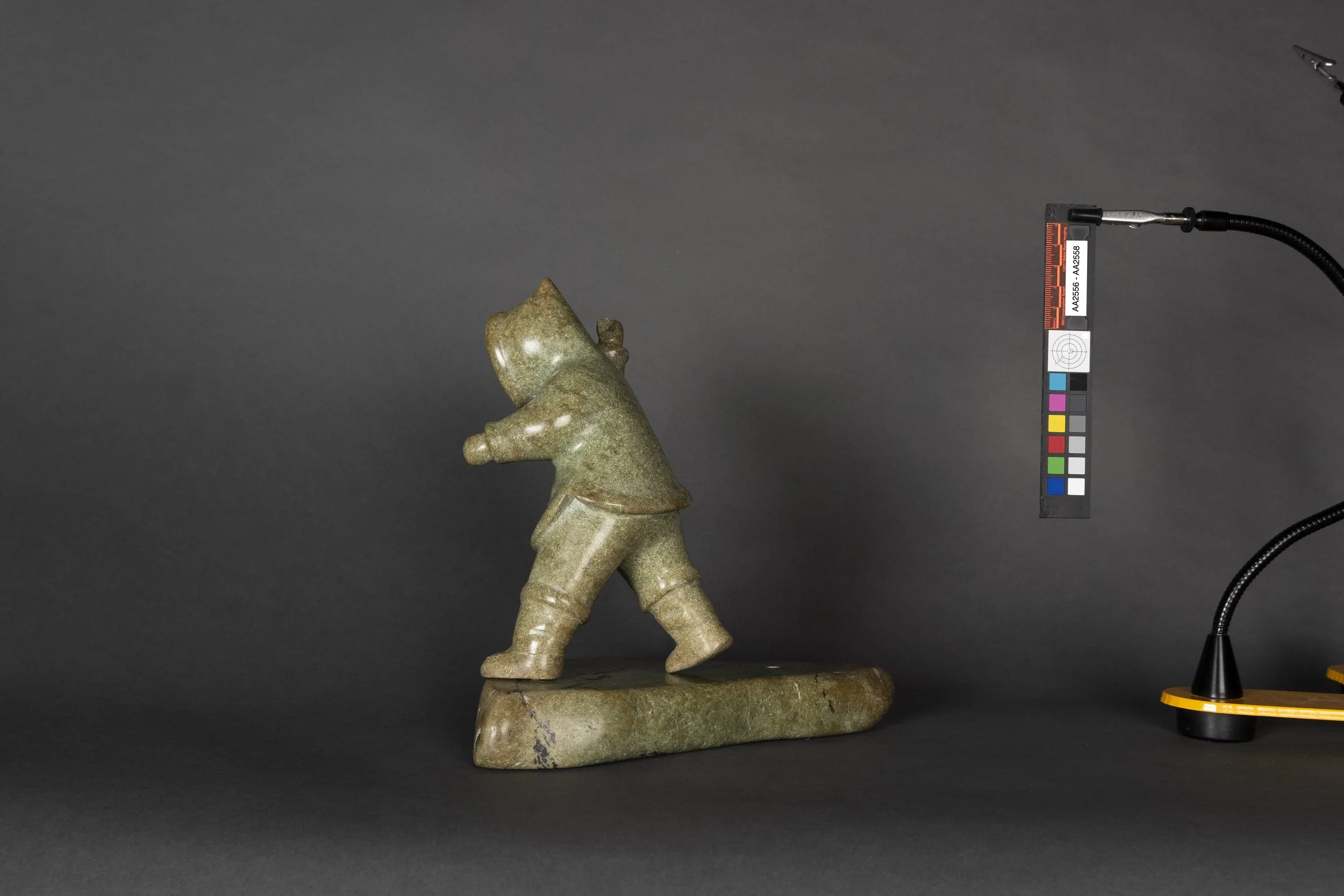
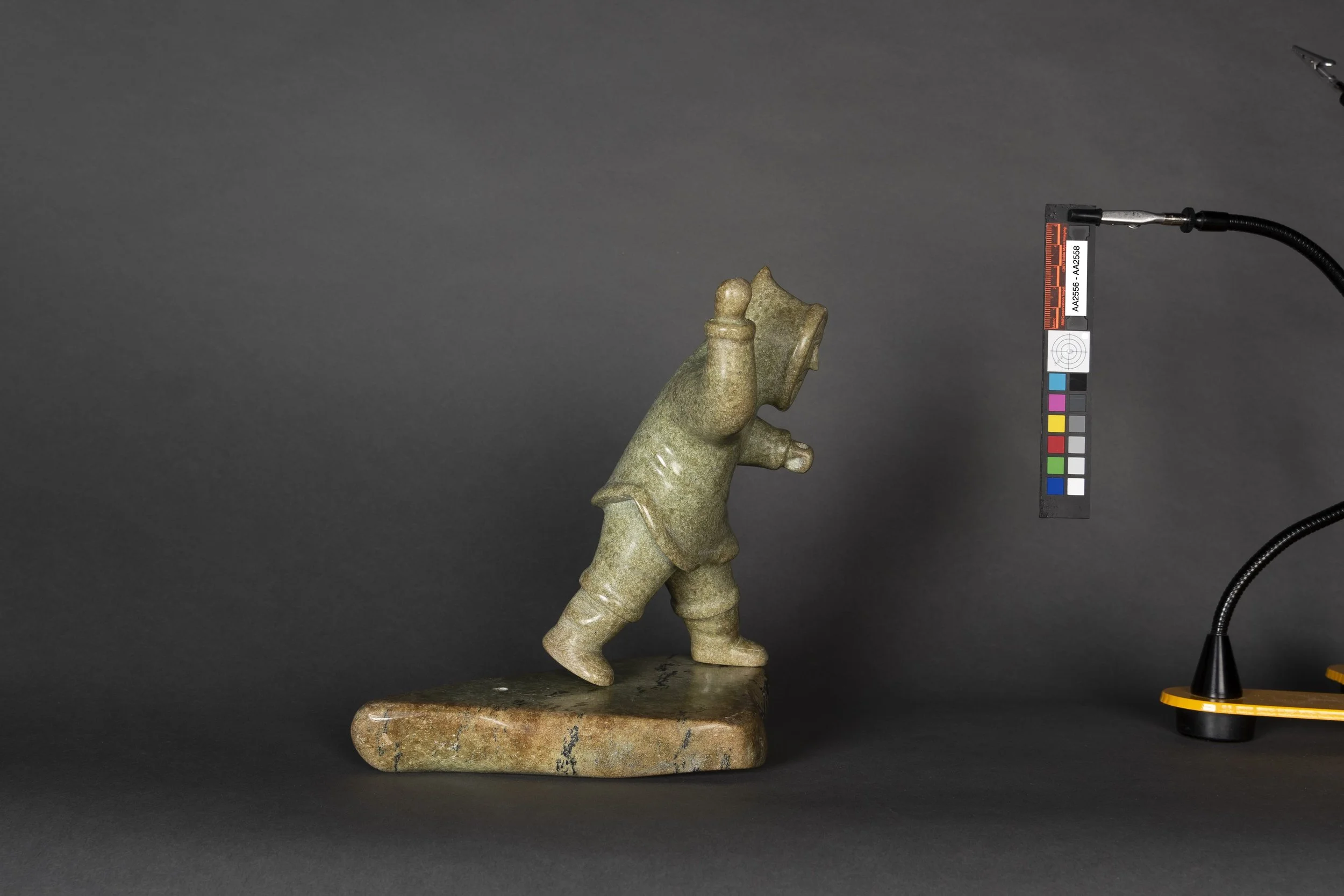
Inuit carving is a tradition of time immemorial, but it wasn’t until the middle of the 20th century that stone sculptures became highly desirable as quintessential Canadian art, sought after by collectors around the world. This hunting figure and its base is part of a private collection, acquired in the 1960s in the Kimmirut area of Baffin Island, Nunavut. The sculpture is made of a beautiful mottled green stone with rusty brown tones along various edges and black marbling on the base.
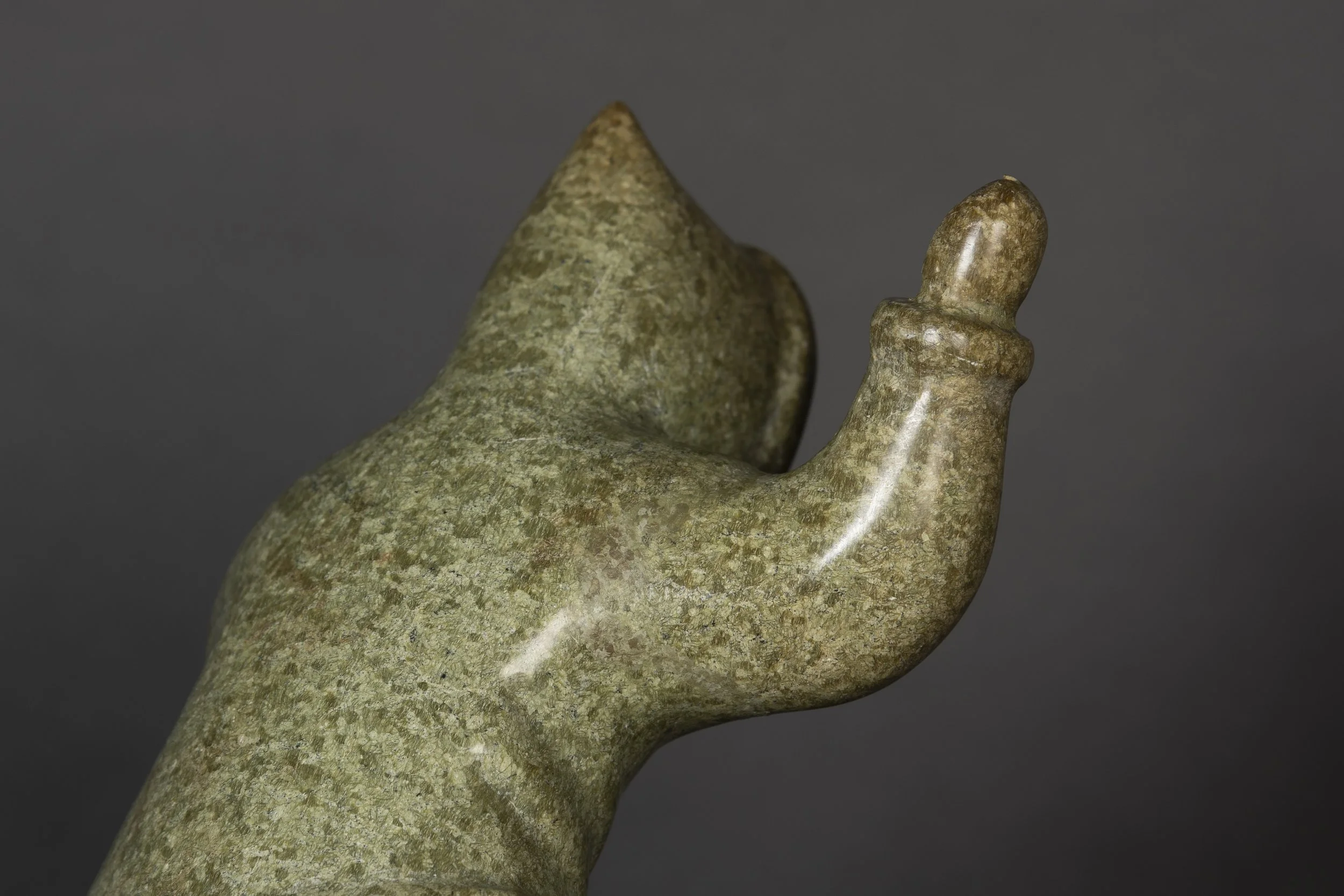
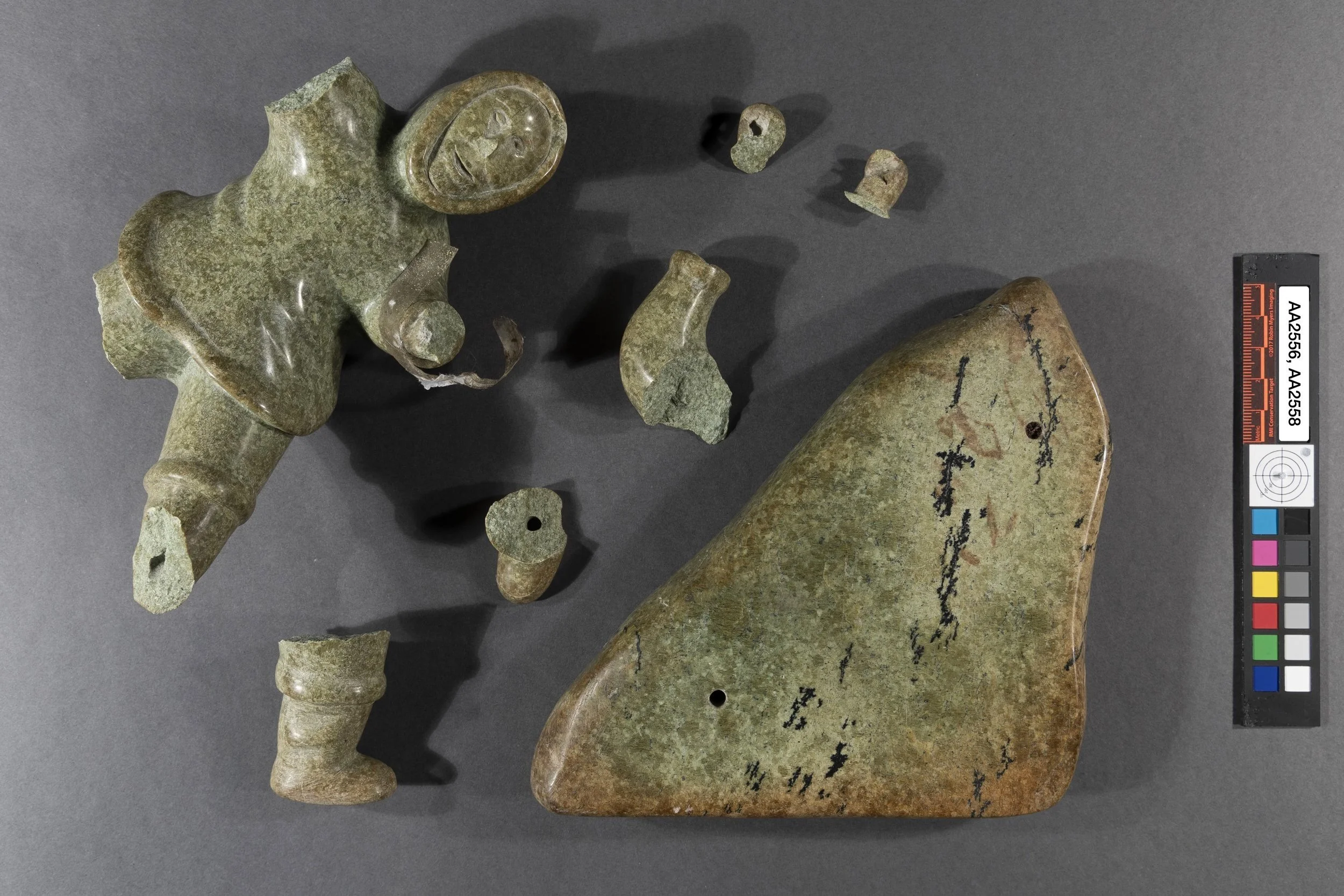
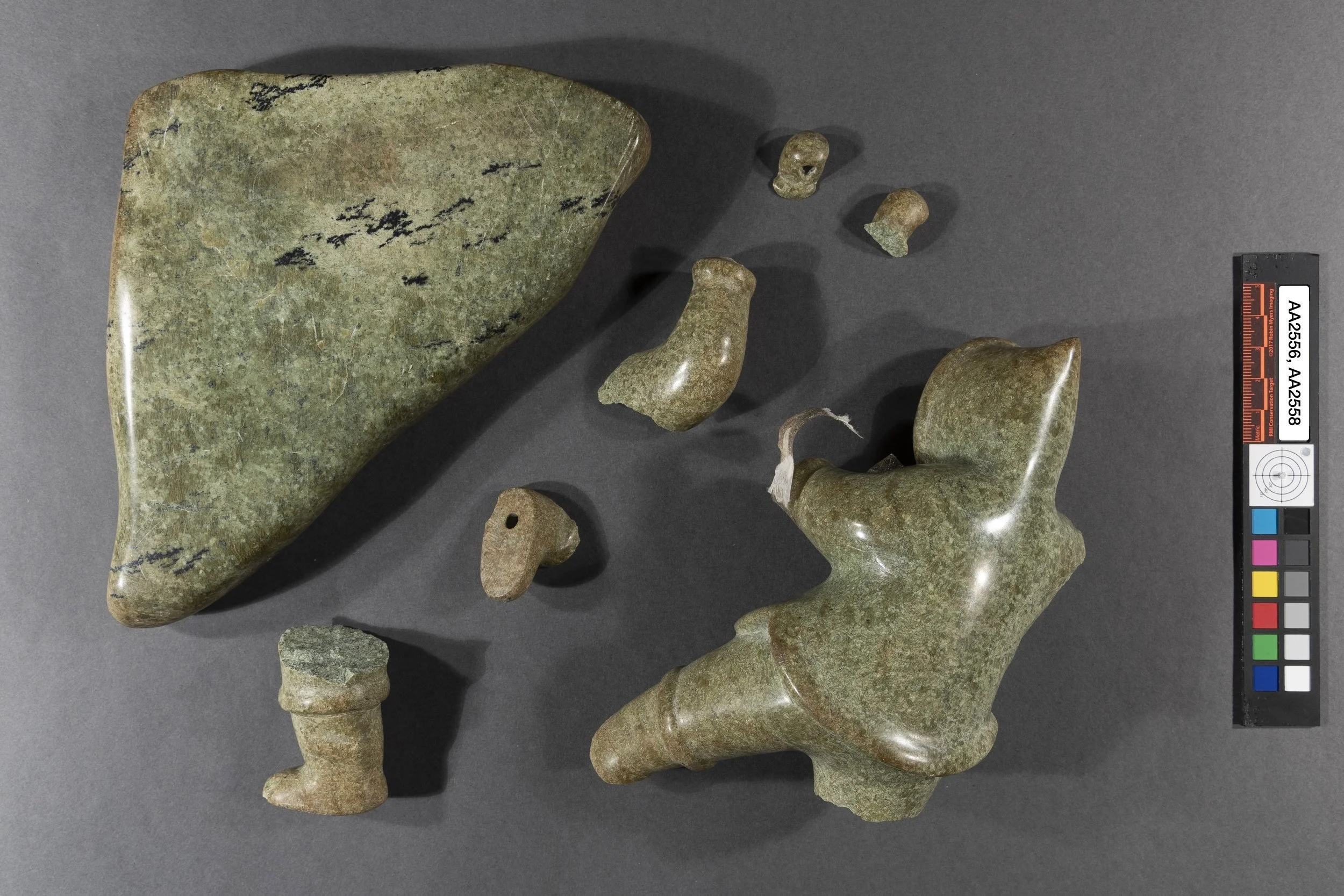
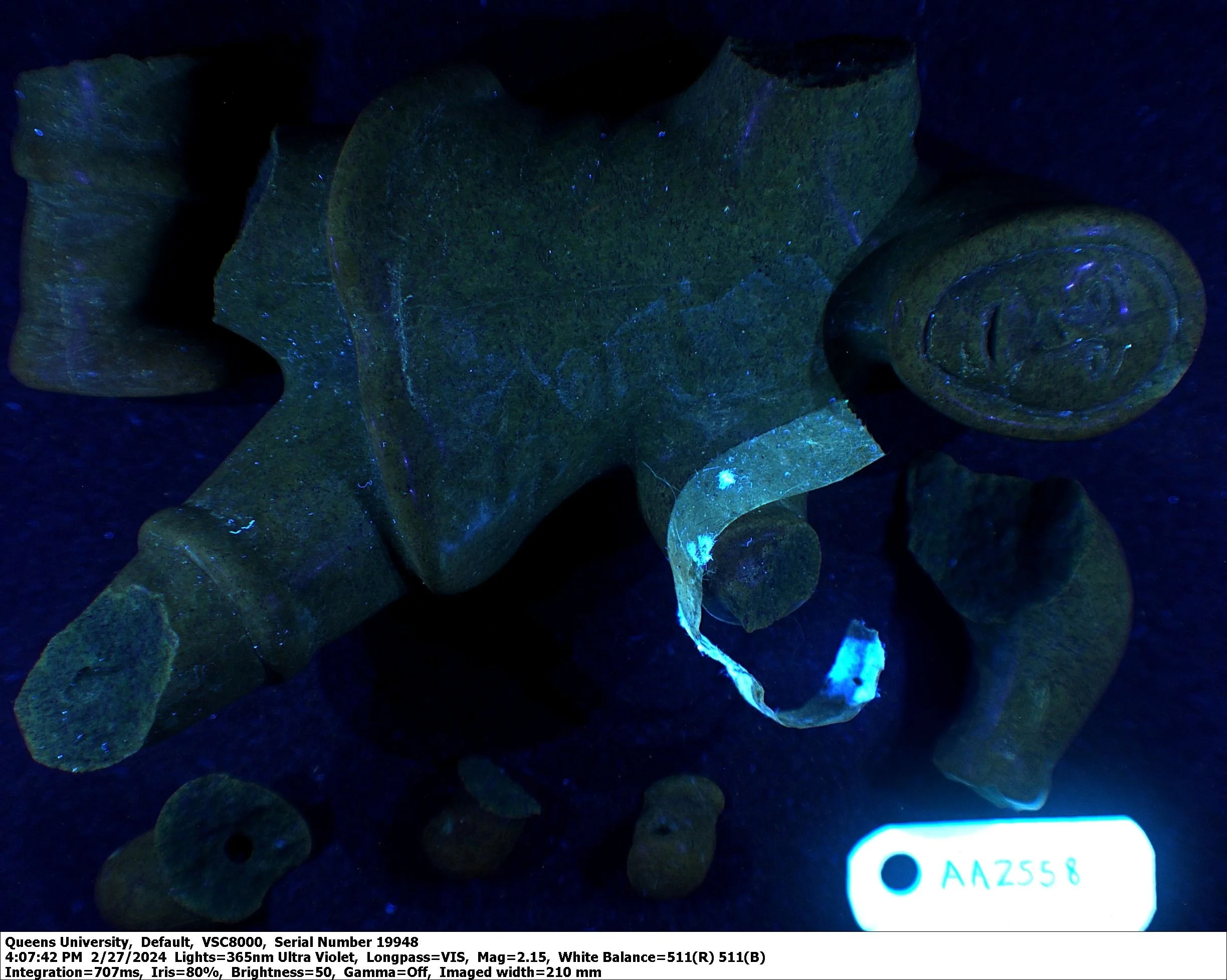
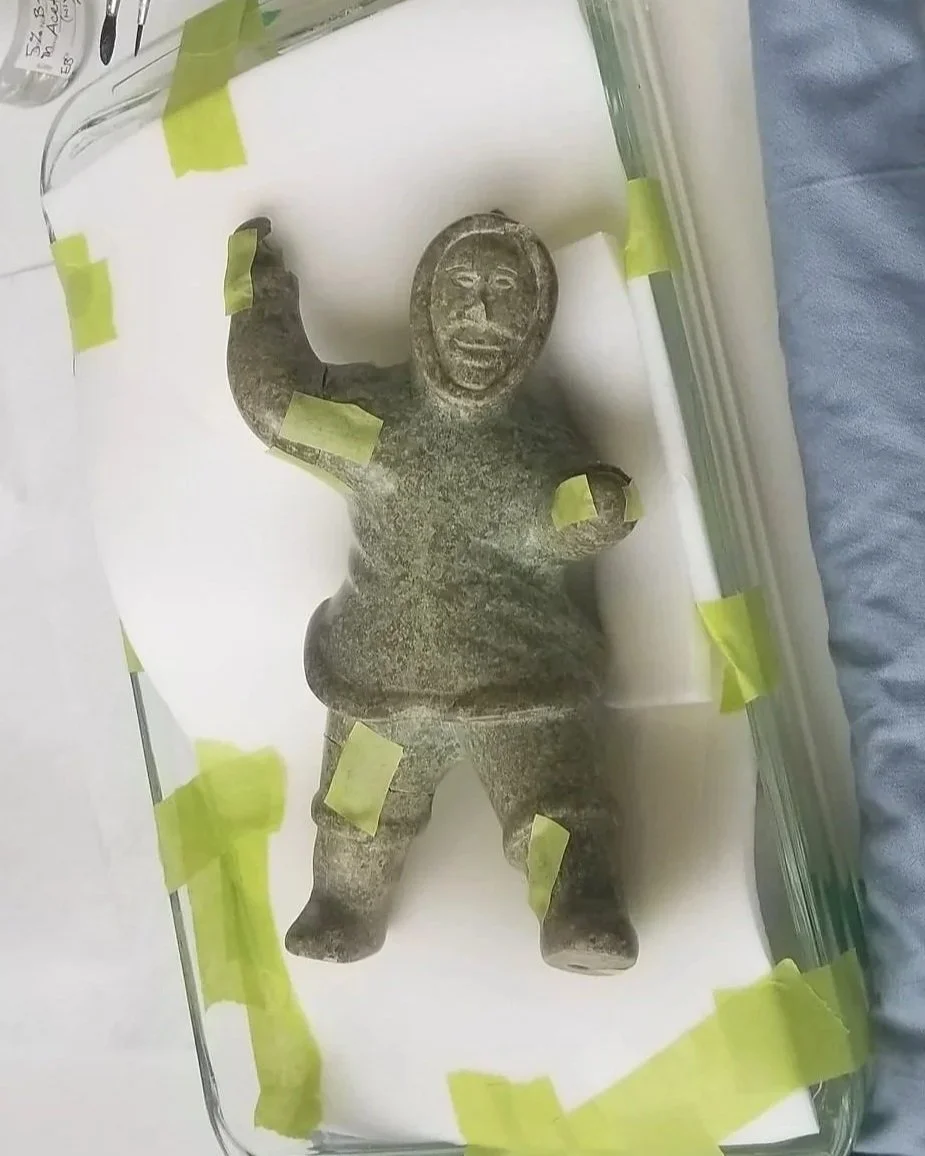
The Hunter and Base required a comprehensive repair treatment. Although the sturdy triangular Base was intact, the Hunter came to the Queen’s University Art Conservation lab in several fragments: both legs, one arm, and both hands were detached and there were several losses on the head and hands. One of the arms had an old piece of what was likely Scotch tape partially adhered to it—probably to temporarily secure the broken hand in place.
Understanding the material
The physical appearance of the stone in both the Hunter and the Base matched very closely with serpentinite, a type of magnesium iron silicate mineral which is commonly used for Inuit stone carving. This metamorphic rock is valued by carvers for its variation in colour—from black, grey, and brown to olive green and even yellow—and an ideal Mohs hardness range of 2.5 to 3.5. A simple scratch test of the rough broken surface one leg with an acupuncture needle revealed that the stone which composed the hunting figure was very soft. Serpentinite and soapstone deposits are bountiful in Nunavut, where artists use it to make sculptures, jewelry, and traditional tools such as qulliit (oil lamps).
To gain more qualitative data on the material composition, both the Hunter and Base were scanned using a Bruker Tracer handheld XRF spectrometer to investigate the elemental composition of the stone. One of the arm fragments (proper right) of the Hunter and a small section of the Base were chosen for the scan; both sample areas had a large indication of iron and smaller indications of Silicon, Nickel, and other transition metals, suggesting a metamorphic and iron-rich stone consistent with serpentinite. The Hunter and Base match stylistically and materially, so it can be inferred that while they may not be from the same deposit, they are the same type of stone.
Repairing the figure
The first step in the treatment was to reduce or remove previous adhesives using appropriate solvents (in this case, isopropyl alcohol was used). The Hunter and Base were then given a light surface cleaning to remove dust and debris. Inside one of the drilled holes on the Base was an old dowel fragment that had broken and become stuck at some point during the life of the sculpture. Keeping in mind that the object was owned privately, there was a high likelihood that the sculpture may be displayed again, therefore a decision was made to remove the original material and make a new dowel. The old dowel fragment was saved and stored with the sculpture for future study.
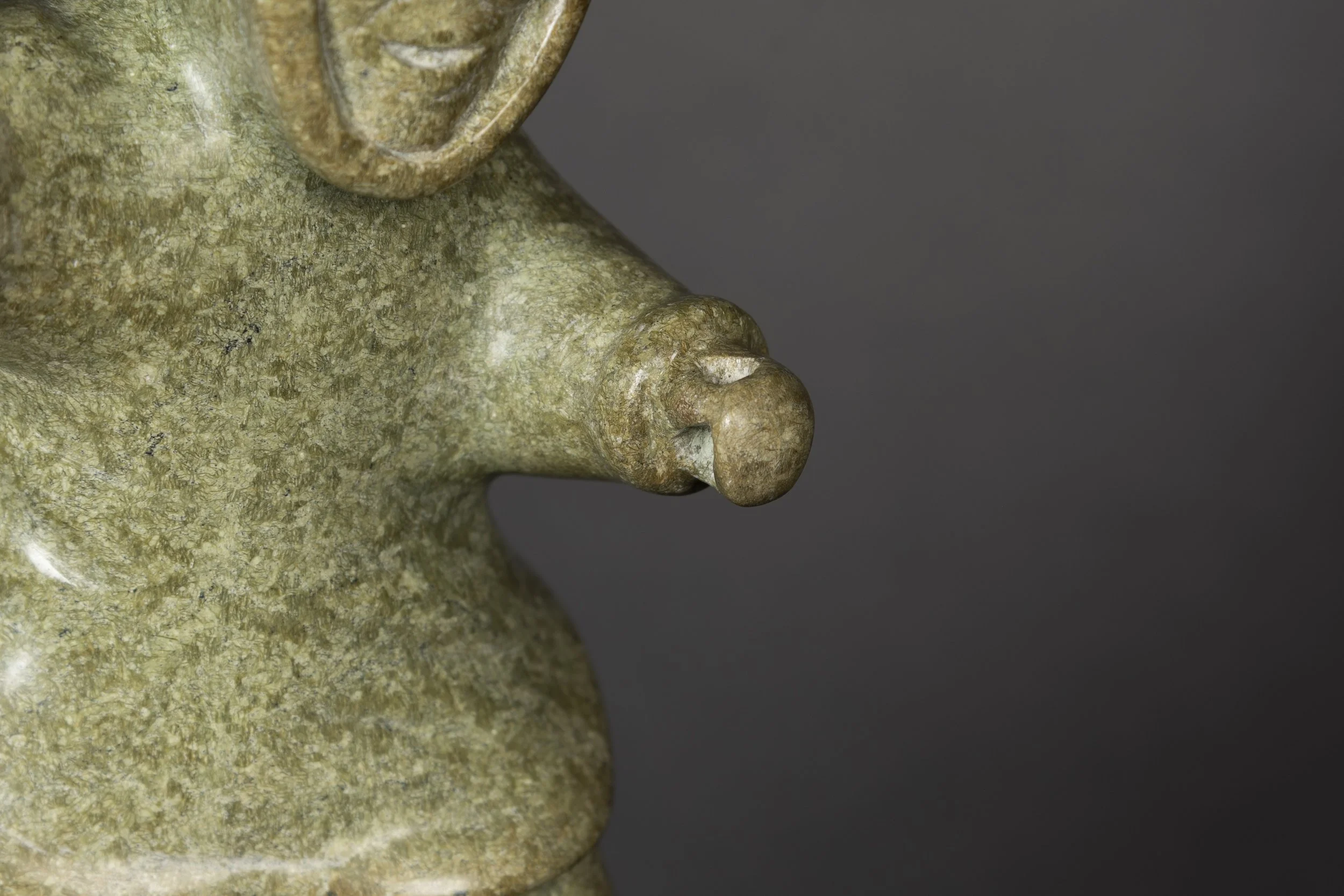
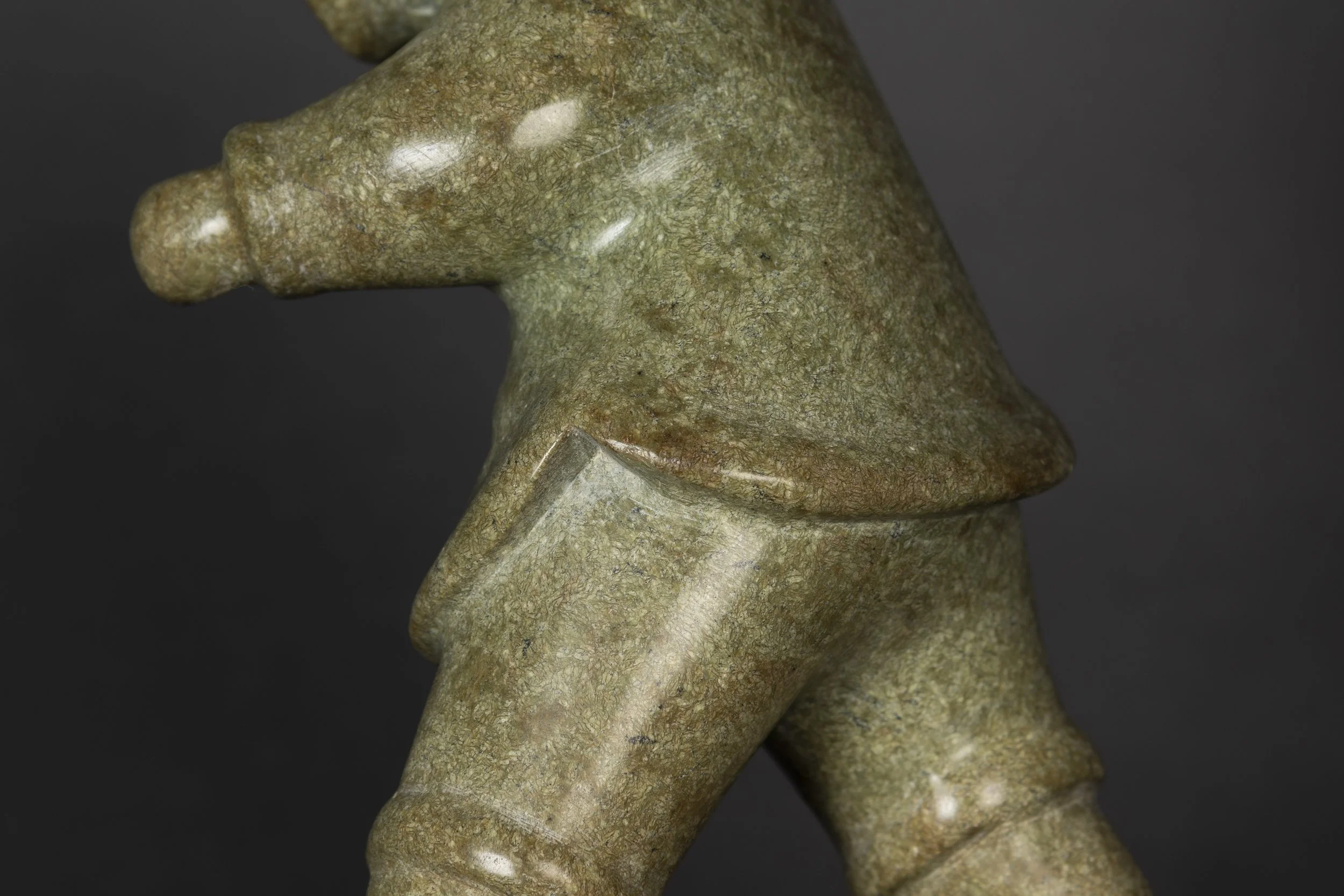
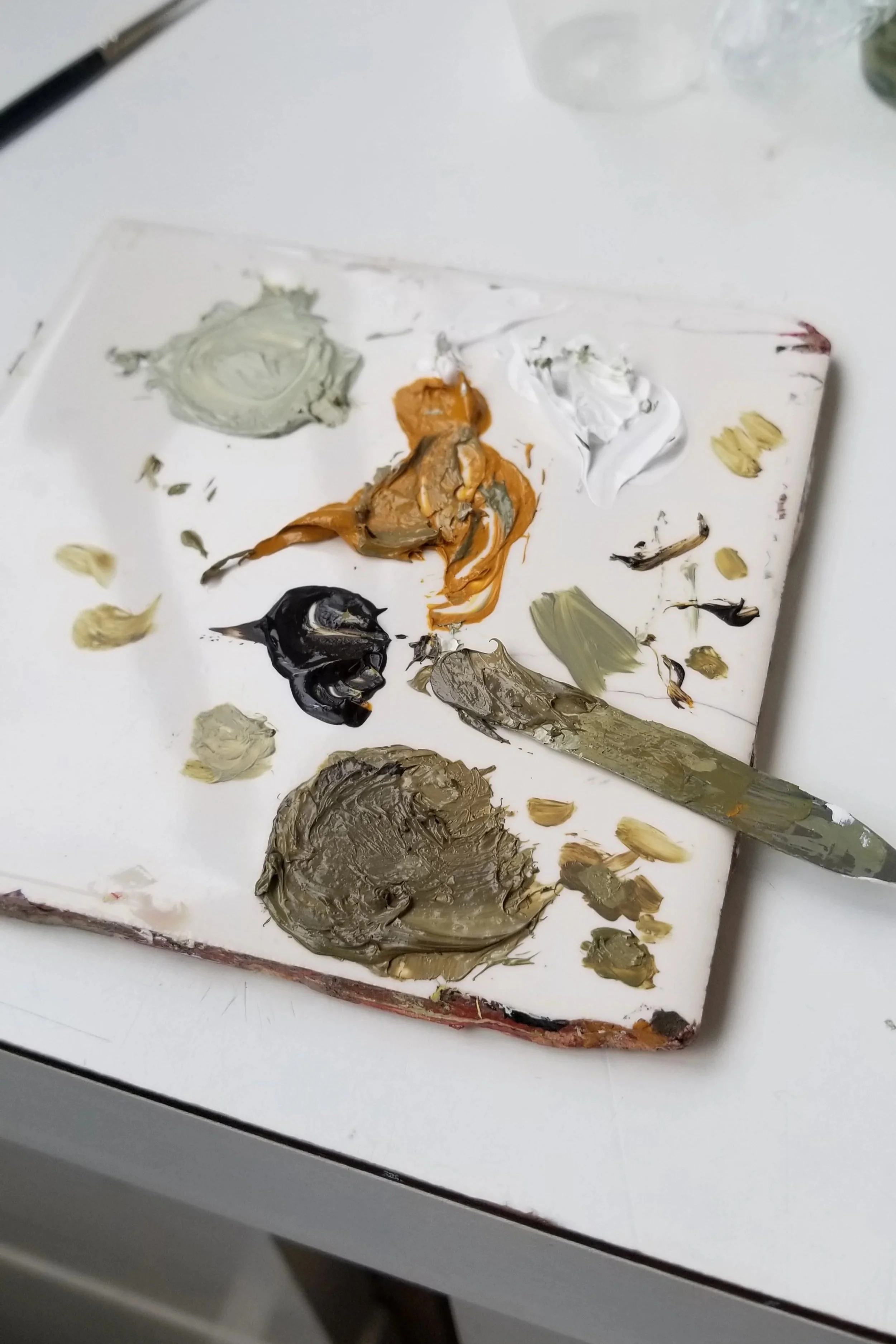
The Hunter’s limbs, hands, and feet were re-attached using Paraloid B-72, a reliable adhesive that is ideal for its customizable strength and good aging properties. Losses to the Hunter’s face, hood, hands, legs, and right arm were filled with a light but sturdy material called glass microbeads, which closed the gaps in the broken seams. The fills were retouched using acrylic paint to make the repairs visually cohesive with the stone.
Completing the treatment
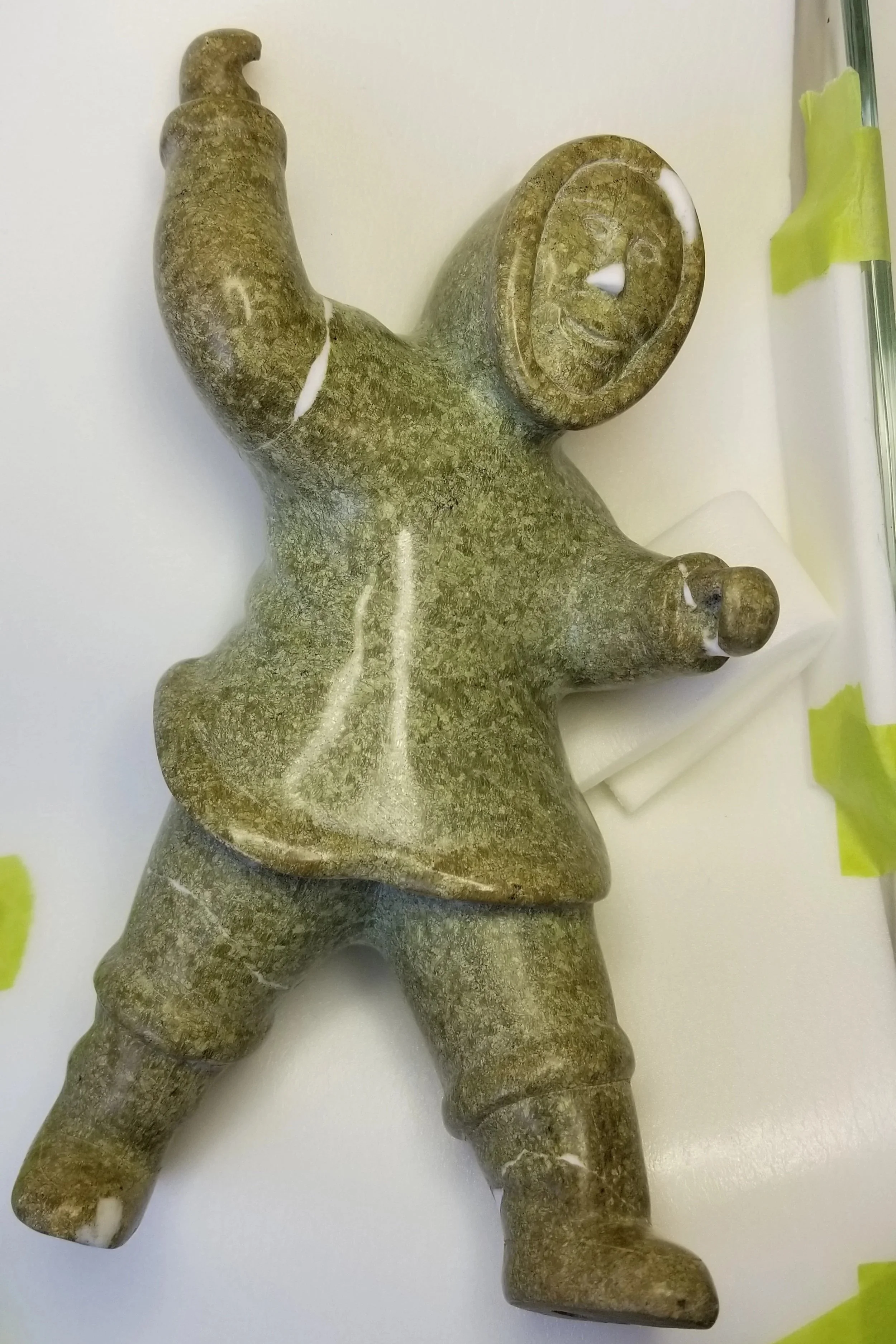
A new support dowel for the left leg was made by whittling a wooden rod to a diameter that was just large enough to fit the holes in the foot and base without causing undue friction upon removal. The effect of the Hunter standing on the Base was visually dramatic, and it became apparent that the sculpture was quite precarious in this state. There was only one way for the Hunter’s foot to stand flat against the surface of the Base and this put the figure on the edge, leaning forward with the other foot just touching the Base.
While this pose added realism to the hunting scene and was very striking, the lack of a weapon or tool was much more apparent. The Hunter had dowel holes in both hands, and the second dowel hole in the Base indicated that another element was unfortunately missing from the scene. These questions may be answered in the future, but for now I am pleased about the outcome of the treatment and look forward to similar projects. Below are photos of the sculpture after treatment was finished.